









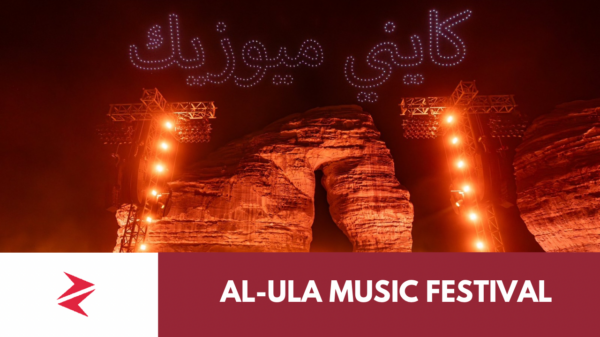





The kingdom’s Vision 2030, led by Deputy Crown Prince Mohammed bin Salman, is pushing boundaries that once seemed untouchable. I read about events like Balad Beast, a music festival held in Jeddah’s historic Al-Balad, a UNESCO World Heritage site. These gatherings are drawing tens of thousands of young Saudis, blending heritage with modernity in ways that feel revolutionary. I can imagine a young accountant, perhaps a 23-year-old woman, saying, “You have to be open to new things.” I feel that sentiment deeply—progress often demands a willingness to evolve, to step into the unknown.
But not everyone sees it that way. I can also picture a merchant from Al-Balad, maybe in his early 30s, shaking his head and calling the festival “rowdy,” a betrayal of the Islamic traditions that have shaped Saudi society for centuries. Sheikh Al-Sudais, known for his conservative views—like once blaming women’s behavior for a drought in 2006—stands as a symbol of that tradition. His silence on these cultural shifts feels deafening to some, who question how raves and concerts can coexist with the kingdom’s religious identity. I’ve heard voices invoking the Prophet Muhammad’s teachings, arguing that even sharing images of such events is a form of corruption. It’s a perspective that carries weight, rooted in a desire to preserve the values that give Saudi Arabia its soul.