

















Following an unforeseen move by the Pakistan central bank to maintain unchanged rates, the six-month benchmark lending rate (KIBOR) has experienced a significant drop. Today, the six-month KIBOR has decreased by 159 basis points, declining from 24.68% to 23.09%. A comparable pattern is observed in T-bill rates, with the three-month rate decreasing from yesterday’s 23.78% to currently trading around 22.5%.
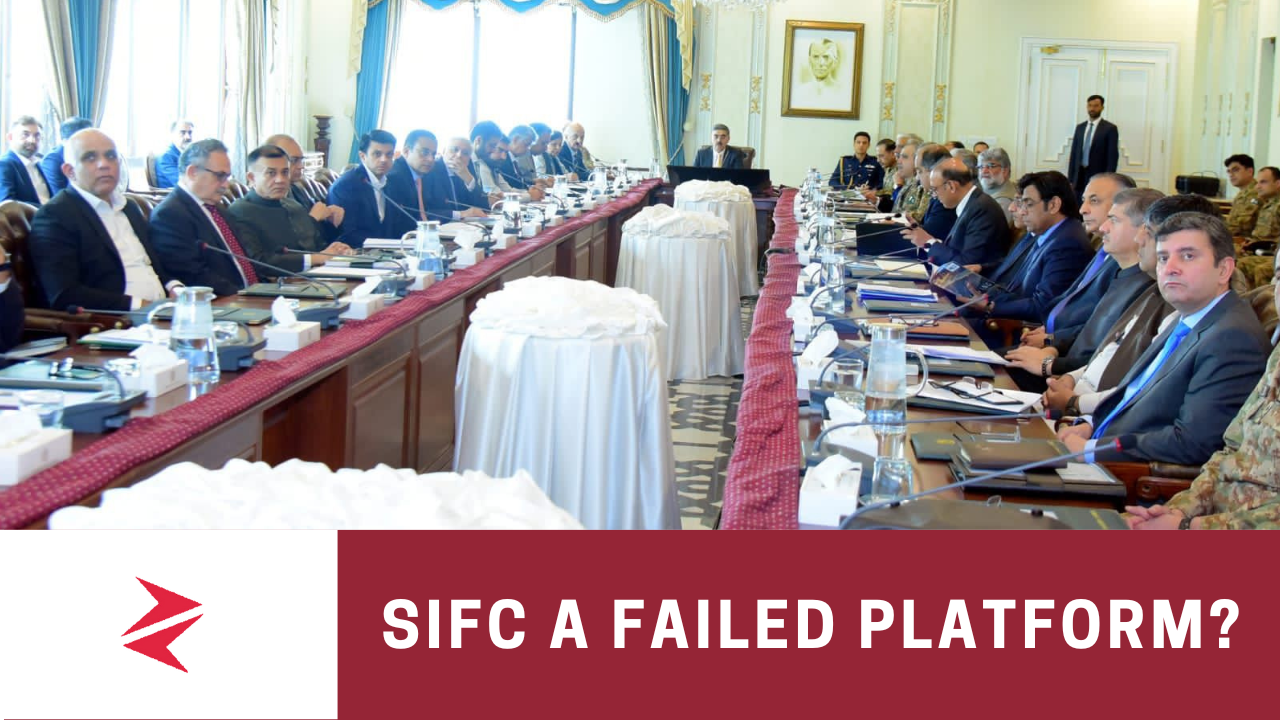
SIFC’s Potential to Reshape Economic Landscape
Nevertheless, the SIFC’s push for foreign investment is viewed as a potential game-changer. The sheer scale of the proposed investment holds the promise of a dramatic shift in the country’s economic outlook, potentially alleviating a myriad of external account-related challenges.

if ( function_exists( 'pgntn_display_pagination' ) ) pgntn_display_pagination( 'multipage' );