
















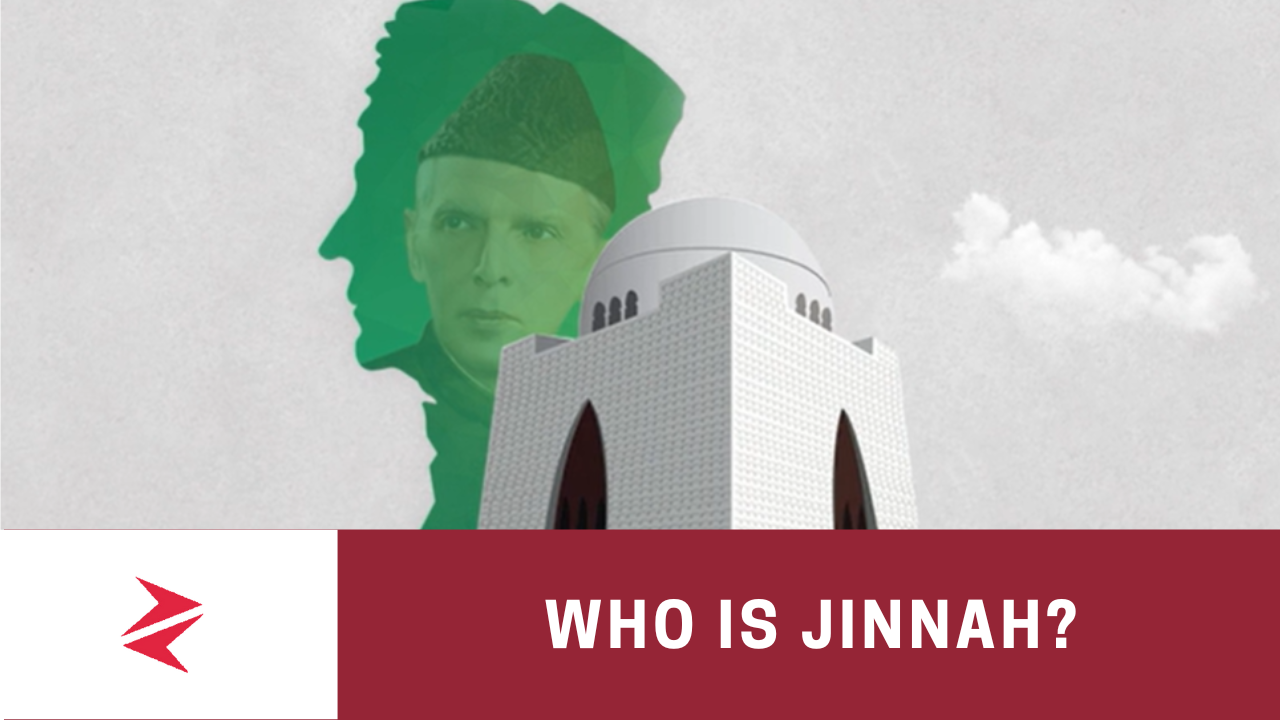
Until 1913, Jinnah largely avoided the main Muslim political organization, the Muslim League. It was founded in 1906 to protect Muslim political rights and primarily represented the conservative outlook of the Muslim elite in the United Provinces. However, in April 1913, Jinnah assumed leadership of the Muslim League, seeking to align its views with those of the Congress. He orchestrated the 1915 session to coincide with the Congress, and his efforts led to the famous Lucknow Pact of 1916, a rare instance in Indian history where the Muslim League and Congress reached a voluntary agreement on the country’s political future. The Pact granted several safeguards to Muslims, including separate electorates and representation in Legislative Councils where they were a minority. However, despite the optimism it inspired, the Lucknow Pact’s impact on Muslim-Hindu relations was temporary and limited to the political elite.